State of Mitsubishi Smart Car That I bought In Samut Prakan Mitsubishi Motors Thailand Before I left Bangkok After Earthquake
After the earthquake in Bangkok, Thailand on March 28th, 2025, I decided to leave both Thailand and Asia. The fear of dying in another earthquake pushed me to seek safety elsewhere, so I chose to travel with my ex-girlfriend to Africa and South America—places far from seismic zones. Before flying out from Bangkok’s Suvarnabhumi Airport, I took a photo of my parked Mitsubishi car in the private parking lot of the Aspire Erawan Prime condominium.


I never gave car keys to anyone so i do not have idea where the thief took the car key to my car that i paid half million THB in Mitsubishi salon in Samut Prakan Bangkok...
Why did INTERPOL allow the jurisdiction office manager to let my car be used by a prostitute from Pattaya who coming from rich family that works in Thailand Goverment Administration?
Parking Condominium Guide: Spaces, Permits, Visitors
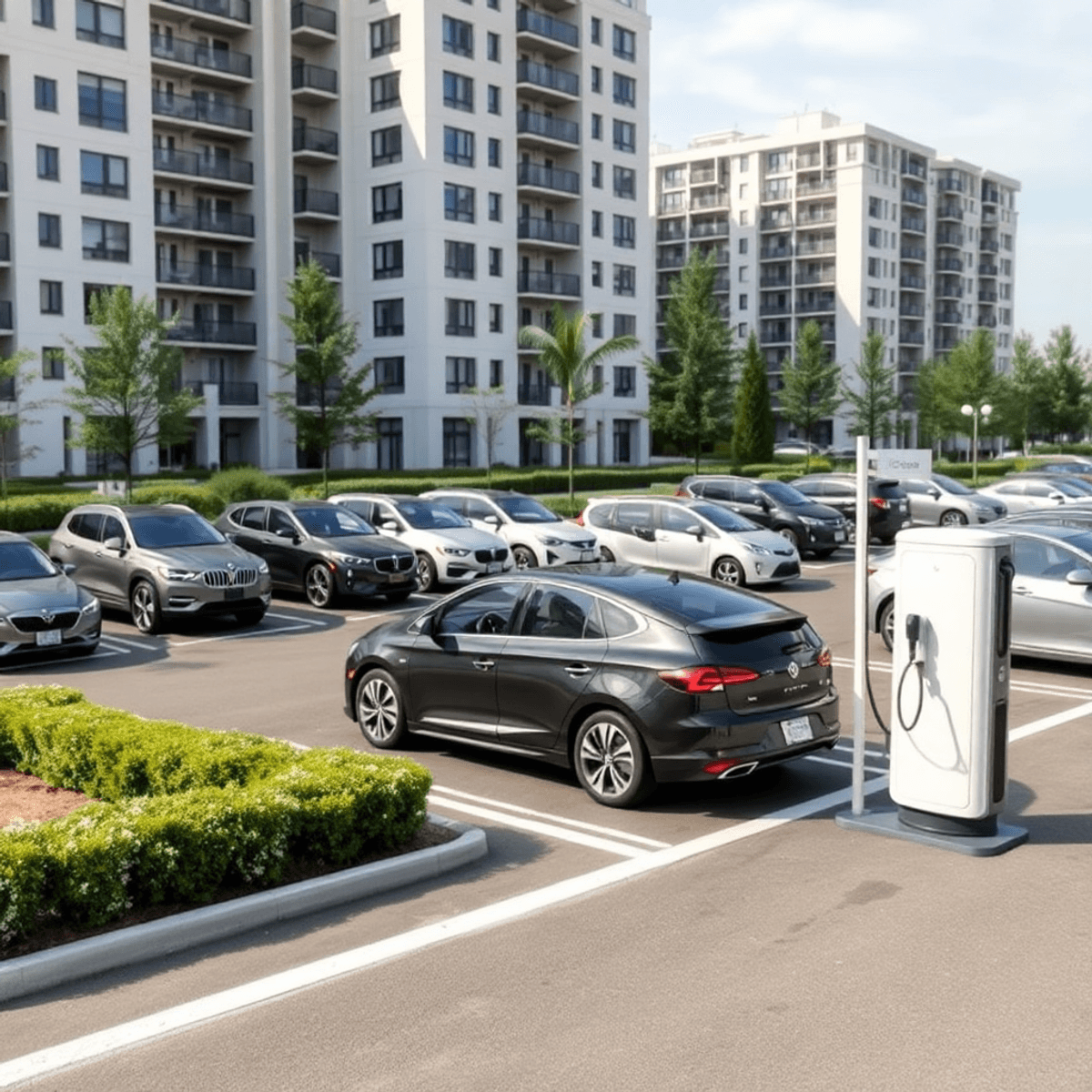
Parking in condominiums can be tricky. With limited space and a mix of resident and visitor vehicles, it's important to manage parking efficiently. Without clear rules, disputes over parking spots and congestion can quickly arise, affecting the quality of life within the community.
Organized parking management is essential to address these challenges. It ensures that residents have access to their designated spaces while providing fair accommodations for visitors. Proper systems help maintain order, prevent unauthorized parking, and reduce conflicts among neighbors.
This guide explores key aspects of condo parking including:
- Allocation and types of parking spaces
- Rules and regulations governing usage
- Management of permits for residents and visitors
- Strategies for visitor parking accommodations
- Integration of advanced technology like Mitsubishi Smart solutions
Understanding these elements equips you to navigate and improve parking condominium systems effectively, enhancing convenience and security for everyone involved.
To further enhance security in these settings, it's crucial to consider implementing advanced surveillance systems. Mastering home security through effective use of CCTV cameras can significantly deter unauthorized parking and other security breaches.
Moreover, with the advent of technology, AI CCTV cameras are becoming increasingly popular due to their advanced features and efficiency. These smart cameras can provide real-time monitoring and alerts, ensuring that parking rules are adhered to.
It's also important to understand the secrets to effective CCTV home installation and management. Proper placement and usage of these cameras can greatly enhance their effectiveness in managing condo parking issues.
Additionally, considering the need for night CCTV camera installations could be beneficial as well. These cameras are specifically designed to capture clear footage in low light conditions, further bolstering the security measures in place.
Understanding Condominium Parking Basics
When you live in a condo with parking, understanding how condominium parking spaces are allocated and managed is essential. Condo parking space arrangements vary but generally follow predictable patterns to ensure fairness and convenience for all residents.
Typical Allocation of Parking Spaces
- Each individual condo unit usually receives one or more assigned parking spaces. This allocation depends on the size of the unit, the number of bedrooms, and the condominium’s overall parking capacity.
- Some condominiums allocate additional spaces for larger units or allow the purchase or rental of extra spots if available.
- The assignment is typically fixed and recorded in the condominium’s governing documents or parking policy.
Types of Parking Spaces in Condominiums
- Assigned Resident Parking:
- Reserved exclusively for owners or tenants connected to specific units. These spots guarantee a place near your residence and reduce daily parking uncertainty.
- Visitor Parking:
- Designated areas separate from resident spaces, intended solely for guests. Visitor spots often have restrictions such as time limits or permit requirements to prevent long-term use by residents.
- Overflow Parking:
- Some complexes provide overflow areas that accommodate additional vehicles during peak times or special events. These might be unassigned and operate on a first-come, first-served basis.
Importance of Designated Parking for Residents
Having a designated condo parking space ensures:
- Convenience: Residents avoid wasting time searching for an open spot.
- Security: Assigned spots reduce unauthorized use and improve monitoring.
- Orderliness: Clearly defined spaces prevent disputes over who can park where.
- Property Value: Well-managed parking contributes positively to property appeal and resale value.
Enhancing Security with CCTV
To further enhance the security of these designated parking spaces, many condominiums are now implementing advanced surveillance systems. Understanding the basics of CCTV security can help residents appreciate its role in ensuring safety.
Mastering AI Object Detection in CCTV
Moreover, with the advent of technology, mastering AI object detection in CCTV can significantly improve monitoring efficiency, allowing for real-time alerts on unauthorized access or suspicious activities.
Addressing Common CCTV Issues
However, it's not uncommon for residents to face issues such as CCTV camera images showing in other locations, which can lead to privacy concerns. Understanding how to troubleshoot these problems is crucial for maintaining effective surveillance.
Intrusion Detection and Prevention
In addition to general monitoring, CCTV intrusion detection and prevention systems can be implemented to provide an extra layer of security. These systems are designed to alert management about any unauthorized access attempts.
The Rise of Fake CCTV
As we embrace these technological advancements, it's also important to be aware of potential threats such as the alarming rise of fake CCTV. This underscores the need for robust verification processes when installing or maintaining surveillance systems.
Condo Parking Rules and Regulations
Condo parking rules are essential for maintaining order and fairness in shared parking spaces. These regulations ensure that all residents and their guests have equal access to the parking facilities.
Common Parking Policies Enforced in Condominiums
Here are some common parking policies enforced in condominiums:
- Assigned Spaces: Residents must park only in their designated spots. This prevents disputes and maximizes space efficiency.
- Visitor Parking Areas: Reserved exclusively for guests, with clear signage to avoid confusion with resident spaces.
- No Unauthorized Parking: Vehicles without permits or those parked outside designated areas may be subject to removal.
Restrictions on Space Usage and Enforcement Mechanisms
Condo parking control relies heavily on clearly communicated restrictions:
- Time Limits: Some condos impose duration limits on visitor parking, such as 2-4 hours maximum, to discourage long-term use of visitor spaces.
- Permit Display: Resident and visitor permits must be visibly displayed on vehicles at all times.
- Prohibited Vehicles: Restrictions may include banning oversized vehicles, commercial trucks, or non-operational cars to preserve space and appearance.
Enforcement methods typically involve:
- Monitoring by Security or Management Staff: Regular patrols ensure compliance with condo parking rules. The use of CCTV systems has become increasingly common in this regard, providing a reliable way to monitor parking areas.
- Towing Policies: Unauthorized or improperly parked vehicles can be towed at the owner's expense after warnings or immediate action if safety is compromised.
- Fines: Monetary penalties may apply for repeated violations or failure to adhere to posted regulations.
Rules Regarding Visitor Parking and Time Limits
Visitor parking rules are critical to balancing guest access without infringing on resident convenience:
- Visitors usually need a temporary permit issued by management or through an automated system.
- Time-restricted zones prevent extended stays that could monopolize limited visitor spots.
- Some condos require visitors to register their vehicle information in advance, helping track usage and prevent abuse of visitor parking privileges
Penalties for Violating Condo Parking Rules
Penalties reinforce the importance of adhering to condominium parking rules:
- Warnings: Initial infractions often result in written notices reminding residents of proper conduct.
- Fines: Repeated violations can trigger escalating fines, which encourage compliance without immediate severe consequences.
- Towing/Booting: Persistent offenders risk having their vehicle booted or towed, especially when blocking emergency lanes or assigned spaces.
Failing to follow condo visitor parking rules affects more than just the violator—it disrupts community harmony and undermines the effectiveness of structured parking management. Strict enforcement ensures that all residents enjoy fair access and smooth operation within the condo parking lot. For more detailed insights into what every condominium association needs to know about parking restrictions, it's advisable to consult legal experts specializing in condominium laws.
Managing Parking Permits in Condominiums
Managing parking permits is a critical component of effective condominium parking control. It ensures that spaces are allocated fairly and prevents unauthorized use, which can lead to disputes and congestion.
Purpose and Types of Parking Permits
Condominium parking permits typically fall into two categories:
- Resident Permits: Assigned to individual condo owners or tenants, these permits authorize parking in designated resident spaces. They confirm the vehicle's right to occupy a specific spot and help property managers monitor who is using the lot.
- Visitor Permits: Issued temporarily to guests, these permits allow visitors to park in designated visitor areas without infringing on resident spaces. Visitor permits help regulate guest access while maintaining order.
Visitor permits for condos are often designed with expiration dates or time limits to avoid long-term occupation of visitor spots.
Process for Obtaining Resident and Visitor Permits
The procedure to obtain parking permits usually involves:
- Application Submission
- Residents submit a request form including proof of ownership or tenancy and vehicle details. This process verifies eligibility for resident permits.
- Verification and Approval
- The condo management confirms unit residency and vehicle registration before issuing a resident permit. This step enforces accountability.
- Visitor Permit Requests
- Residents may request visitor permits either in advance or onsite, depending on the building’s policy. Some condominiums require pre-registration of guest vehicles through an online portal or management office.
- Permit Distribution
- Physical tags, stickers, or digital permits (in smart systems like those integrated with Mitsubishi Smart technology) are issued for easy identification.
Limits on Visitor Permits Per Unit
To prevent misuse and overcrowding, condominiums often impose strict limits on how many visitor permits each unit can obtain within a set timeframe:
- Caps may restrict visitors per day, week, or month.
- Some complexes limit simultaneous active visitor permits.
- These controls discourage abuse such as unofficial long-term guest parking.
Effective monitoring of permit issuance protects residents’ access rights while accommodating genuine visitors.
Permit Renewal and Monitoring Practices
Maintaining an up-to-date permit system requires regular renewal and careful oversight:
- Renewal Cycles: Resident permits often need annual renewal to confirm continued eligibility, vehicle changes, or updates in ownership status.
- Monitoring Compliance: Management uses inspections, security patrols, or electronic scanning technologies (like those provided by Mitsubishi Smart solutions) to verify that parked vehicles display valid permits.
- Revocation Procedures: Violations such as permit misuse or unauthorized parking can lead to suspension or revocation of permit privileges.
Digital permit systems enable real-time tracking and automated alerts when irregularities arise, enhancing enforcement efficiency without excessive manual intervention.
Additionally, incorporating advanced technology such as thermal imaging from different types of thermal cameras can significantly enhance monitoring practices. These cameras can be used for effective surveillance of the parking areas ensuring compliance with permit regulations while also providing valuable data for managing space utility effectively.
Managing condominium parking control through clearly defined permit types, regulated issuance processes, strict visitor limits, and ongoing monitoring creates a structured environment that minimizes conflicts and maximizes space utility.
Visitor Parking Management in Condominiums
Visitor parking management plays a crucial role in maintaining harmony between residents and their guests. Understanding the distinctions and protocols surrounding condo visitor parking ensures smooth access and minimizes conflicts.
Differentiating Resident vs. Visitor Parking Areas
Condominium complexes often designate specific zones exclusively for visitors separate from resident parking spaces. These areas are usually:
- Clearly marked with signage indicating "Visitor Parking Only."
- Located strategically near building entrances or common areas for convenience.
- Designed to prevent long-term use by non-residents, preserving availability for genuine guests.
Residents typically have assigned parking spots linked to their units, while visitor spaces remain unassigned but regulated through permits or time limits.
Time Restrictions and Permit Requirements for Visitors
To prevent misuse of visitor parking areas, condominiums enforce time restrictions and permit requirements such as:
- Time Limits: Many condos impose maximum parking durations (e.g., 2-4 hours) on visitor spots to promote turnover and availability.
- Permit Necessity: Visitors may need to display a valid visitor permit visible on the dashboard or windshield.
- Enforcement: Security personnel or automated systems monitor compliance, issuing warnings or penalties for violations.
These rules help balance guest convenience with resident access priorities.
Procedures for Obtaining Temporary Visitor Permits
Temporary visitor parking permits provide authorized access without permanent allocation. Condominiums usually offer two main methods to obtain these permits:
Advance Requests
- Residents submit permit requests through an online portal, management office, or designated communication channels.
- Approval depends on availability and compliance with condo policies.
- Permits may be issued electronically or as physical passes, often valid for a limited period.
Onsite Issuance
- Some condos allow visitors to request permits upon arrival at a security gate or management office.
- Real-time issuance depends on space availability and verification of the guest's purpose.
- This method suits spontaneous visits but may have limited capacity.
Clear instructions should be provided to residents so they understand how to arrange visitor permits effectively.
Strategies to Accommodate Guest Vehicles Without Disrupting Resident Access
Managing guest parking without inconveniencing residents requires thoughtful planning:
- Designated Overflow Areas: Allocating secondary visitor spots or overflow zones helps absorb additional guest vehicles during peak times.
- Digital Permit Systems: Implementing electronic permit tracking allows real-time updates on visitor spot usage, preventing overcrowding.
- Communication Protocols: Informing residents about guest arrival procedures reduces unauthorized parking attempts and improves traffic flow.
- Time-Based Rotation: Enforcing strict time windows encourages guests to vacate spots promptly, freeing space for others.
Employing these strategies promotes fair use of shared resources while respecting resident rights.
This focused approach to condo visitor parking ensures that guest vehicles are managed effectively without compromising resident convenience or security.
Smart Parking Solutions for Condominium Complexes with Mitsubishi Smart Technology Integration
Condominium parking management moves into the future with smart condominium parking technology integration powered by Mitsubishi. These advanced systems streamline the way spaces are allocated, accessed, and monitored, transforming traditional parking areas into efficient, secure environments.
Introduction to Mitsubishi Smart Technology in Condos
Mitsubishi offers a suite of technologies designed specifically for multi-unit residential complexes. Their Mitsubishi Smart AC Systems and Mitsubishi Smart Multi solutions extend beyond climate control to include intelligent parking management features. These systems integrate digital infrastructure that supports:
- Automated access control
- Digital permit issuance and validation
- Real-time monitoring of parking space occupancy
This combination helps condominiums manage their parking assets dynamically and with minimal manual oversight.
Benefits of Digital Permit Systems and Automated Access Controls
Digital permit systems eliminate the need for physical tags or stickers, reducing administrative burdens and potential misuse. Residents receive electronic permits linked directly to their vehicle registrations and unit information. Features include:
- Easy online application and renewal processes
- Instant validation at entry points through license plate recognition or RFID scanning
- Automated gate operations that allow seamless entry for authorized vehicles
Automated access controls restrict unauthorized parking and prevent overcrowding. This leads to higher resident satisfaction since spaces are used as intended without frequent disputes.
Real-Time Updates on Available Spaces to Reduce Congestion
Smart parking solutions provide real-time data on available parking spots via sensors installed in each space or camera-based monitoring systems. Residents and visitors can access this information through mobile apps or digital displays near entrances, allowing them to:
- Quickly locate open spots before entering the lot
- Avoid unnecessary driving around searching for parking
- Reduce congestion within tight condominium premises
This transparency cuts down on frustration and improves traffic flow inside the complex.
Examples of Smart Multi-Unit Solutions Enhancing Security and User Experience
Implementations of Mitsubishi Smart Multi systems showcase how technology elevates both security and convenience:
- Integrated Security Cameras: Monitoring entrances, exits, and common areas linked with permit data to detect unauthorized vehicles promptly.
- Mobile Notifications: Alerting residents about visitor arrivals or violations instantly.
- Energy-Efficient Operations: Combining smart air conditioning with parking management to optimize energy use within enclosed garages.
These features create a safer environment while offering users intuitive controls over their parking experience.
The Future of Security in Smart Parking Solutions
As we look to the future, the role of technology in enhancing security within smart parking solutions will continue to evolve. The introduction of advanced features such as AI-powered security cameras will revolutionize how we approach safety in condominium complexes. These robust systems not only offer real-time monitoring but also incorporate AI capabilities that enhance threat detection and response times.
Adopting Mitsubishi’s smart technology in condominium parking not only modernizes infrastructure but also sets a new standard for managing limited space efficiently while ensuring a secure environment for all residents.
Best Practices for Condominium Parking Lot Management
Maintaining an organized condominium parking lot requires a combination of clear policies, practical tools, and active communication. Applying best practices condo parking lot management helps prevent confusion and maximizes the use of available spaces.
Strategies to Maintain Order and Maximize Space Utilization
- Designated Parking Zones: Separate areas for residents, visitors, and overflow parking reduce conflicts and improve flow.
- Efficient Layouts: Use angled or perpendicular parking arrangements to increase the number of spaces without compromising maneuverability.
- Regular Audits: Periodic reviews of parking usage identify underutilized spaces or unauthorized vehicles, allowing timely adjustments.
Signage, Markings, and Enforcement Tools
- Clear Signage: Signs indicating parking restrictions, permit requirements, and visitor zones should be prominently displayed at entrances and throughout the lot.
- Painted Markings: Use durable paint to outline individual spaces, directional arrows, and no-parking zones to guide drivers effectively.
- Enforcement Measures: Implement tools like permits with visible decals, barriers for access control, and towing policies for violators to maintain compliance.
Communicating Rules Clearly to Residents and Guests
- Distribute comprehensive parking guidelines during move-in or annual meetings.
- Use digital platforms or community boards to update residents on any changes in policy or special events affecting parking.
- Provide visitor instructions alongside permit application procedures to avoid confusion
Handling Disputes Related to Unauthorized or Improper Use of Spaces
- Establish a formal complaint process where residents can report violations confidentially.
- Assign a dedicated management team or committee responsible for investigating disputes promptly.
- Apply consistent penalties such as warnings, fines, or towing to discourage repeat offenses.
Incorporating Mitsubishi Smart technology can enhance many of these practices by automating enforcement and improving communication channels within the community. Efficient condo parking control becomes more achievable when technology works hand-in-hand with structured policies. For instance, installing CCTV cameras in the parking lot can help monitor usage effectively. The choice of the best CCTV camera for your house can also extend to the parking area, ensuring better security and order.
Benefits of Well-Regulated Condo Parking Systems
A well-regulated condo parking system delivers tangible advantages that affect daily living, community harmony, and property value. Recognizing these benefits helps highlight why investing in clear parking management policies, such as those outlined in condo parking rules and regulations, is essential.
Enhancing Resident Satisfaction Through Fair Allocation and Easy Access
- Fairness: Residents appreciate knowing their parking spots are guaranteed and assigned fairly. This eliminates the frustration of searching for spaces or disputes over who can park where.
- Convenience: Easy access to designated spots saves time and reduces stress. When residents consistently find parking near their units, it improves their overall living experience.
- Predictability: Clear rules about visitor parking and permits provide residents with confidence that guests will have a place to park without infringing on resident areas.
Reducing Conflicts Between Neighbors Over Parking Issues
- Clear Boundaries: Marked and assigned spaces minimize confusion about ownership and usage rights.
- Enforcement: Effective monitoring and penalties for violations discourage unauthorized parking, preventing disputes from escalating.
- Visitor Management: Limiting visitor permits per unit stops abuse of shared spaces, reducing tensions caused by overcrowding or misuse of visitor spots.
Improving Overall Security Within the Condominium Premises
- Controlled Access: Permit systems combined with surveillance help identify authorized vehicles, deterring unauthorized entry.
- Visibility: Organized parking lots with proper lighting and clear signage enhance safety for both pedestrians and vehicles.
- Incident Response: Knowing who belongs in each spot allows quicker investigation when damage or theft occurs. This is where mastering home security comes into play, providing comprehensive strategies to bolster safety.
Increasing Property Value by Maintaining an Orderly Environment
- Curb Appeal: A neat, well-managed parking lot reflects positively on the entire property, attracting prospective buyers or renters.
- Operational Efficiency: Efficient use of space maximizes capacity without overcrowding, adding practical value to the property.
- Community Reputation: Well-run parking systems contribute to a reputation for good management, which can be a selling point in competitive real estate markets.
These benefits well-regulated condo parking systems offer create a framework where residents feel respected and secure while boosting the condominium’s overall appeal. This foundation sets the stage for incorporating advanced solutions like smart technology to streamline operations even further. For instance, implementing successful CCTV security cameras can enhance monitoring capabilities. Additionally, experience unmatched security through advanced surveillance methods that also simplify processes such as easy smart search for motion events.
Furthermore, understanding the importance of parking management policies can further enhance these benefits by providing a structured
Conclusion
Effective condominium parking management depends on several key factors working together seamlessly:
- Clear rules that define parking rights and restrictions for residents and visitors.
- Robust permit systems to control access and prevent misuse of spaces.
- Thoughtful visitor accommodations that balance convenience with security.
- Integration of modern technology, such as Mitsubishi smart solutions, to streamline operations and provide real-time updates.
Adopting these best practices transforms parking from a common source of frustration into a well-organized asset that enhances community living. You can reduce conflicts, increase satisfaction, and improve safety by implementing structured policies backed by smart technology.
For instance, leveraging smart wire-free security can significantly enhance the safety aspect of your parking management.
Moreover, it's worth considering the impact of parking minimums in your condominium's overall planning and management strategy.
If you want to elevate your condominium’s parking system with expert guidance and innovative tools, don’t hesitate.
Contact Us Today For A Free Consultation On How We Can Help You Manage Your Condo's Parking Effectively!
FAQs (Frequently Asked Questions)
What are the common parking challenges faced in condominium settings?
Condominium settings often face challenges such as limited parking spaces, unauthorized use of designated spots, visitor parking management, and the need for organized parking control to accommodate both residents and guests effectively.
How are parking spaces typically allocated in condominiums?
Parking spaces in condominiums are usually allocated on an individual unit basis, including assigned resident spots, designated visitor areas, and overflow spaces to ensure fair and efficient use of available parking.
What rules and regulations govern condo parking and visitor permits?
Condominium parking rules commonly include restrictions on space usage, enforcement mechanisms for violations, specific guidelines for visitor parking such as time limits and permit requirements, and penalties to maintain order within the condo parking lot.
How does Mitsubishi Smart technology enhance condominium parking management?
Mitsubishi Smart technology integrates digital permit systems, automated access control, and real-time space availability updates to optimize parking efficiency, reduce congestion, enhance security, and improve user experience within condominium complexes.
What are best practices for managing condominium parking lots effectively?
Effective management involves maintaining clear signage and markings, enforcing parking rules consistently, communicating policies clearly to residents and visitors, utilizing smart technology solutions like those from Mitsubishi Smart, and resolving disputes promptly to maximize space utilization and order.
What benefits do well-regulated condo parking systems provide to residents?
Well-regulated condo parking systems enhance resident satisfaction by ensuring fair allocation and easy access to spaces, reduce conflicts among neighbors over parking issues, improve overall security within the premises, and contribute to increased property value through orderly management.


Comments
Post a Comment