Surviving Thailand: How to Avoid the Most Common Scams
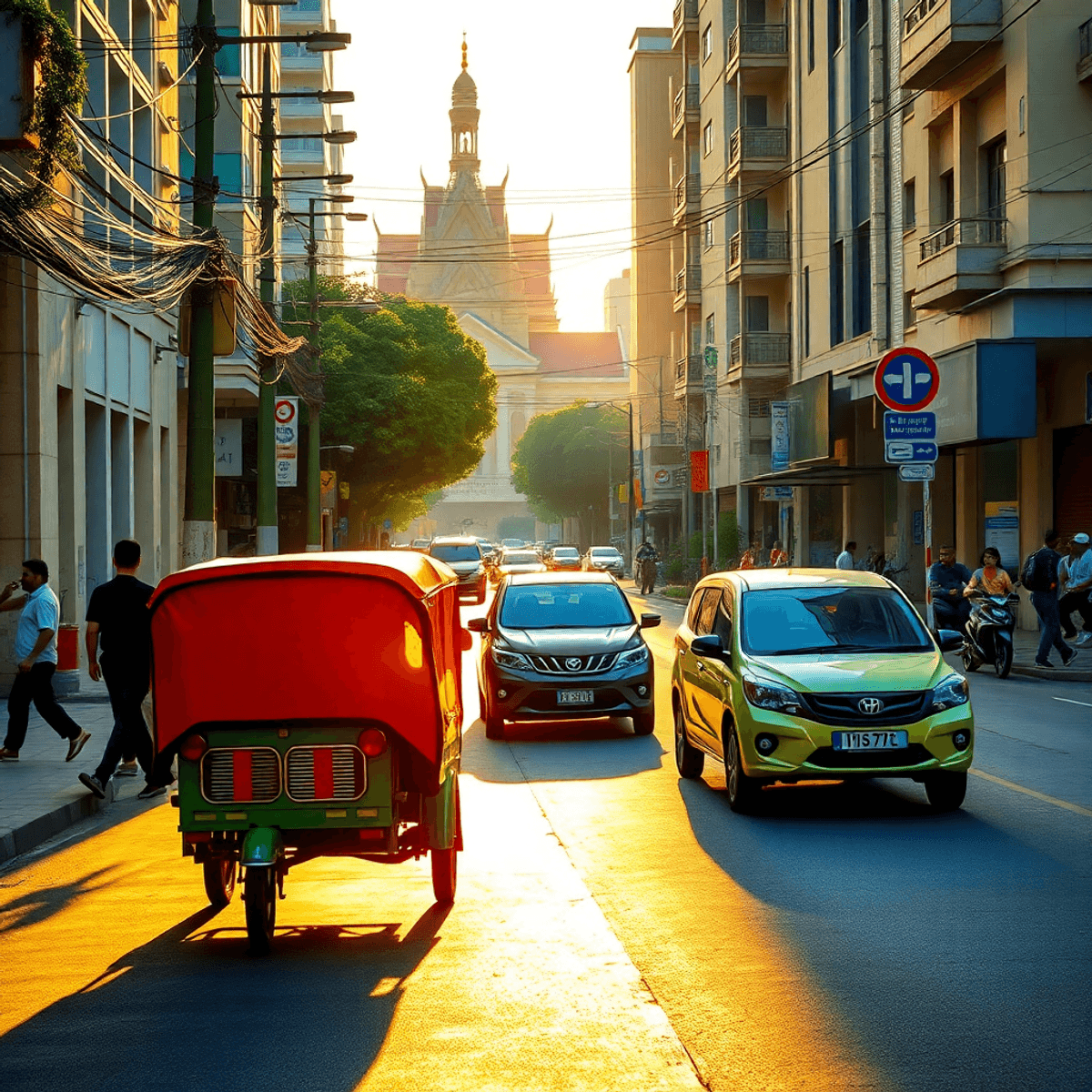
Thailand draws millions of people in with its bright culture, amazing views, and friendly welcome. The country is one of the top places in the world that people go to for trips. You will have a good time here—from the busy streets of Bangkok to the peaceful island spots. But, there is something you should know besides all of this beauty. Many Thailand scams are there, and they often go after people who do not know much about local ways.
Knowing about tourist scams in Thailand helps you keep your money safe and feel calm during your trip. There are many different scams. Some are small, and some can make you lose a lot of money. These scams often trick people who trust too much or don’t know the tricks. If you can spot these problems, you feel better about your trip. This is how you travel safe in Thailand.
This guide shows you the most common scam in Thailand. It helps you learn what to look out for, so you can stay safe and have a good time. When you know the warning signs, you turn risks into good times on your trip through this amazing country.
Why Are Tourists Targeted by Scammers in Thailand?
Thailand has a busy tourism scene, especially in places like Bangkok and Chiang Mai. These cities are well-known for common scams in Thailand. Each year, many people, from all over the world, come to visit. A lot of them do not know much about the area or the language. This gives scammers the chance to try and trick them.
Factors Behind the Prevalence of Scams
1. High Tourist Volume
Bangkok scam attempts and scams in Chiang Mai happen a lot because so many people visit these places every day. The busy streets and full markets make it easy for these tricks to happen.
2. Language Barriers
Some vendors or operators do not speak English well. This can cause confusion for tourists. Because of this, scammers get a chance to trick people when there is a misunderstanding.
3. Economic Motives
Many people who live in the area need tourism to make money. Some turn to tourist scams in Thailand to get extra cash. This happens more often when there are not many good jobs available.
4. Lack of Awareness
Many people who visit Thailand do not know about common scams there. Because of this, they may get fooled by someone who is good at talking, fake deals, and wrong details.
Impact on Travelers
People who get scammed lose money and can feel very upset. This can ruin the whole trip. If you pay too much for a taxi or buy things for more than they should cost, you feel open to being tricked and get annoyed.
Scams can break trust between tourists and locals. This may stop people from coming back or telling their friends about their good experience. When scams turn into theft or people pretend to be real officials, safety becomes a worry for everyone.
Knowing why tourists are often picked helps people be more alert when they visit popular places. It gives travelers the power to be careful. This also helps people spot times when Bangkok scam or Chiang Mai scams happen a lot. With this, you can lower the risk before it impacts your trip.
1. Transportation Scams: Tuk-Tuks, Taxis, and More
Getting around Thailand is easy with tuk-tuks and taxis. A lot of people like these ways to travel because the rides can be fast and simple. But, there is a risk to watch out for. Many scammers try to fool travelers with tuk-tuk scams and taxi scams Bangkok is known for.
Tuk-Tuk Scams
Tuk-tuk drivers often pull in tourists by saying they will take you to famous places for a very low price. The trick is, they stop at stores like gem shops or tailor shops where they get money if you buy something. Passengers feel pushed to buy things or end up paying much more once they go inside these places. Some tuk-tuk drivers also ask for more money after the ride or take long ways, telling you there are “traffic jams” or “road closures.”
Taxi Scams
Many taxi drivers do not use the meter. Instead, they ask for a fixed price that is much higher than the normal fare. Some drivers go out of their way to make the trip longer, so you pay more. Others might say that the meter does not work. A lot of people who visit Thailand talk about these transportation scams Thailand because they are so common.
Tips to Avoid Transportation Scams
- Insist on Meter Use: You should always ask taxi drivers to use the meter when you start your trip.
- Agree on Price Upfront: If a meter is not used, make sure to talk about the price first and agree on one before you get in.
- Use Trusted Apps: Ride-hailing apps like Grab can show you the price before the ride starts and help keep you safe from scams.
- Decline Unsolicited Offers: Do not take rides from drivers who come up to you without you asking, especially in places with lots of tourists.
Knowing the common problems people face can help you stay safe and have a smooth trip in Thailand. You can enjoy the lively cities without getting caught by Thailand scams to avoid or ending up in stories found on sites like Thailand scams Reddit.
2. Deceptive Tourist Attraction Scams
Thailand’s busy tourist areas, like Bangkok and Chiang Mai, can be places where the attraction closed scam happens a lot. This scam tricks visitors who want to see well-known spots. You might see a local or someone acting like a guide come up and tell you that a big landmark is closed that day. Their goal is to get you to go with them to a new place, and at this spot, they get paid from shops, tailors, or gem stores for bringing people in.
How the scam unfolds:
- Tourists are told that the place they want to see is closed because of holidays, work being done, or special events.
- Instead of going to the main place, they are taken or pushed to go to a shop or a showroom.
- During these stops, tourists deal with
- high-pressure sales tactics
- where people try to sell expensive souvenirs or services.
- If tourists say no, it can feel uncomfortable, as local people may keep saying they want to help or tell them they will miss out.
The feeling of disappointment along with being in a new place makes this scam work well. A lot of people trust unsolicited advice without checking it first.
Avoidance strategies include:
- Verify operating hours independently
- before you leave. You can use official websites, ask hotel workers, or check travel apps. These will give you good information about when places open.
- Watch out if people you do not know come up to you with news that some place is closed, or they offer other tours you did not ask for.
- If someone invites you to visit a shop, it’s okay to say no, unless you have read about the place already and you want to go.
- Keep in mind that real tour operators and hotels do not often send their guests somewhere new unless they have told you and set it up before.
These tricky scams can make people feel upset and cause them to lose money. If you see the warning signs, you can look after yourself and enjoy the real culture in Thailand your way. Knowing about Bangkok scams tourists might face can help set limits against people who want to trick you. This can let you feel good and safe while you look for adventure.
3. Vehicle Rental Scams: Jet Skis and Scooters
Renting a jet ski or a scooter in Thailand lets you see more and feel free, but there are some risks. The vehicle rental frauds Thailand tourists deal with are common. One of the most reported scams is the jet ski rental scam Thailand. In this scam, tourists end up having to pay charges for damage they did not cause.
Common Tactics Used in Vehicle Rental Scams
- Overcharging for Nonexistent Damages: After you bring back a jet ski or scooter, some rental places might say you made scratches, dents, or engine problems. They often ask for a lot of money to fix these things or will not give your security deposit back unless you pay up.
- Renting Unsafe or Bad Vehicles: Some shops let people use scooters that have problems or are not looked after well. These scooters can break down or cause accidents. If anything happens when you ride, you might get blamed and feel forced to pay a high price for repairs.
- Excessive Repair Fee Demands: If there is real damage, some shops give high repair bills. These are often much more than what things should cost. This happens because the people renting might not know what local prices are.
Protect Yourself: Tips for Avoiding Rental Scams
- Choose Good Rental Services: Look for businesses that get strong reviews on trusted travel sites. Ask other travelers for their advice. Stay away from people on the street who offer really low prices.
- Document Vehicle Condition Thoroughly: Before you drive away, use your phone to take clear photos and videos of the outside, inside, and all parts of the car. Be sure to show any dents or scratches to staff. Ask them to write it down and sign a report.
- Understand Terms Clearly: Read your rental agreement well. Ask about what your insurance covers and who has to pay for any damage. Get something in writing for any money you pay.
- Inspect Vehicles Personally: Check the brakes, tires, lights, and engine yourself. If you see that the car is unsafe or has damage, do not rent it.
Being aware of these scams can help people stay safe when they rent cars or bikes in busy places like Chiang Mai and beach spots in Thailand. When you get ready and plan well, you can enjoy your trip more. This way, you do not fall for expensive rental tricks.
4. Money Handling and Currency Exchange Scams
Thailand is known for its busy markets and lively street stalls. These places can be tricky when you handle money. The wrong change scam Thailand is common here. In this scam, vendors or restaurants may give you the wrong change on purpose. Sometimes, they also say you paid with a smaller bill when you didn't. This move can happen fast and catches people by surprise, especially when things get busy.
Currency exchange booths that you see in tourist spots, especially in Bangkok, are known for many money exchange scams Bangkok. Some of them may show you good rates at first, but if you look more closely, those deals might not be there. They can also give out old or ripped bills or even fake money. A lot of times, someone will try to distract you during the exchange. While you are not looking, the booth might give you less valuable notes.
Key indicators of currency fraud Thailand include:
- Bills that feel very thin, used, or with a strange color
- Exchange rates that are much better than the official ones
- Staff who hurry to finish or who do not let you check the money closely
Best practices to protect yourself:
- Count your change carefully before you leave any vendor or restaurant counter. If you feel that something is not right, ask for help and make sure your change is correct.
- Use trusted currency exchange services, the ones suggested by your hotel, banks, or the official airport counters. It's better to avoid street-side stands.
- Learn what Thai baht notes look like and get to know their safety marks before you travel. This can help you spot fake notes right away.
- When you can, ask for bigger bills that look new and clean. This can cut down on mistakes and keep things clear.
Staying alert with cash transactions helps you keep your budget safe. It also stops you from getting upset while you enjoy your time in Thailand’s busy markets and places full of culture.
5. Charity and Emotional Manipulation Scams
Charity scams in Thailand often try to trick tourists who want to help others. These scams play with your feelings. It be hard to see who really needs help and who be trying to fool you. Scammers come up to tourists and ask for donations for fake charities. They may talk about made-up medical emergencies or stories that are not true.
Common tactics used by scammers include:
- Showing children or disabled people who look upset to get sympathy
- Saying there are urgent medical bills that need to be paid right away
- Selling things made by hand or souvenirs while hoping people will give money for charity but pretending it is just a sale
- Using badges or papers that look official but without real credentials
Tourists need to be careful if someone suddenly asks them for money. Real charity workers usually have a permit or an ID. These are given by groups people know and trust. Tourists can:
- Ask to see the person’s official ID or charity registration papers.
- Look up the charity online before you give anything. This is even more important if you keep getting asked to give when you are in tourist spots.
- Give your donation straight through the organization’s website, not to someone asking for cash in the street.
- If people keep asking, say no politely and do not stay in long talks that might make you feel you have to give.
Emotional manipulation scams use your good feelings to trick you. Tourists want to help, but these scams can cause you to lose money. You might feel sad or worried after. If you know about common scams in Thailand, you can look out for them and keep yourself safe. It's important to still care about people, but watch out for these tricks.
Staying aware of fake charity requests helps your support reach people who really need it and not those looking to cheat others. When you know this, it lets you feel safe while you enjoy Thailand’s culture and friendly people. You do not have to worry as much about getting used or tricked.
6. Impersonation and Fraudulent Authority Figures
Travelers in Thailand need to be careful if they meet someone who says they are with law enforcement or is a tourism official. There are scams involving fake police officers in Bangkok and fraud tourism officials who look for tourists. They try to take something from people new to the area. These scammers use the fact that many do not know local rules and feel scared of legal trouble.
How to Spot Law Enforcement Impersonation Scams in Thailand
Here are some signs that could show a scam where someone is pretending to be a law enforcement officer:
- Unusual requests for money or valuables: A real police officer will not ask for cash right away. He will not say you must pay a fine without giving proper papers.
- Lack of official identification: A scammer may not show you an official ID. He may show a badge or uniform that looks fake or is made poorly.
- Pressure: A fake official may try to scare tourists by saying out loud that you did something big. He may make the problem seem urgent and ask for money fast.
- Location and behavior: A real police officer will be with a partner or in a group. He will be near a police station or a busy tourist area. He will act professionally and not ask tough questions in a rude or pushy way.
What to Do if Approached by Suspicious Individuals Claiming Authority
If you feel that someone says they are in charge but you feel something is not right, here are some things you can do:
- Request official identification: Ask politely to see their police badge or ID card. Real officers will always show you without delay.
- Avoid handing over money immediately: Do not pay fines or fees right away. Tell them you want to go to the local police station to check everything first.
- Seek assistance from nearby businesses or other tourists: Call others around you. This can stop scammers and also gives you other people who see what is happening.
- Contact the Tourist Police: Use the Thai Tourist Police hotline at 1155 if you need help or want to tell them about strange activity.
Staying calm and speaking up can help people avoid scams where someone tries to pretend to be someone in charge. This way, you still show the real police or officials respect. Knowing about these tricks makes it easier for travelers to look out for themselves and spot people trying to fool them by acting like someone in charge.
7. Personal Safety Concerns Related to Theft and Overcharging
Thailand has a lot of lively street life and crowded places where tourists like to come. These spots are perfect for small crimes, like what you see in pickpocketing Bangkok or bag snatching Chiang Mai. A busy market, a packed train station, or even a night area are places where thieves often get to people's things fast and with a lot of skill.
Common theft tactics include:
- Pickpocketing: Some clever thieves work in pairs or groups. They cause a scene or use something like a street show to make you look away. While you are not paying attention, they take wallets or phones out from pockets and bags.
- Bag Snatching: Motorbike riders go past people fast on roads or walks. They grab a handbag or backpack and then rush off quickly. This happens a lot in places crowded with tourists and near spots where people get on or off buses or trains.
Bars and nightspots come with more risks than just theft. You should watch out for overcharging and drink spiking. Some places might add extra charges to your bill. They can also water down drinks to make more money, and people usually do not notice. Cases of drink spiking do happen, even if it is not common. Always keep an eye on your drink. Do not leave it alone at any time.
Practical tips for staying safe:
- Use crossbody bags with good zippers. Wear the bag in front of your body.
- Do not carry a lot of cash. Use hotel safes if there is one.
- Stay alert in busy places. Be careful if a stranger tries to take your attention away.
- When you go out at night, do not leave your drink alone. Think about asking for bottled drinks.
- Talk about prices first when at bars or restaurants. Look at your bill closely before you pay.
Staying alert can change how you feel when you are in Thailand. It helps you feel strong instead of at risk. You get to enjoy the country’s rich culture and busy streets more.
What To Do If You Fall Victim To A Scam In Thailand?
Falling for a Thai scam can feel very upsetting. But if you know what steps to take right away, you can help stop your losses and try to get help. Here is a simple guide to show you what to do when you find out you are a victim of a scam.
Preserve All Evidence
- Keep receipts, tickets, photos, or any kind of paperwork that shows the details about the transaction or what happened.
- Take clear pictures of the people involved if you can, along with any cars, shops, or places linked to the scam.
- Write down details like time, place, and words to explain what took place.
It is very important to keep this information safe when you report scams to Thailand authorities or banks.
Report to Thai Authorities
- Contact the Thai Tourist Police hotline at 1155. The team here helps travelers with things like scams.
- Go to the closest police station if they ask you to or if you need help right away.
- Give them everything you have linked to the scam and tell them all about what happened.
The Tourist Police know about scams that happen often in Thailand. They can tell you what to do next, and sometimes, help you get your stolen things back.
Notify Your Bank or Credit Card Company
- Tell your bank’s fraud team right away if your money was hurt by credit card fraud or charges you did not allow.
- Ask to have the cards or accounts put on hold for now until the problem is fixed.
- Ask how to challenge any payments or start a claim about the scam.
Acting fast lowers money loss and helps you get your lost funds back.
Seek Legal Assistance
- Work with law firms that know a lot about tourist cases and getting money back from scams in Thailand.
- Legal experts can tell you about your rights and help you make a formal complaint. They know how to handle local laws and steps.
- They can talk with the authorities for you, and help with deals if needed.
By taking these steps, people can feel more in control and help make travel safer. It can also make scammers take responsibility for what they do.
Proactive Measures For Scam Prevention During Your Trip
People who want to not fall for scams in Thailand get a lot of help from getting ready before they go and staying aware. Safe travel advice Thailand always says that knowing things and keeping an eye out is the best way to stay safe.
1. Research Destinations and Local Customs
Understanding the usual places that tourists go and what local people do can help you spot anything odd or wrong. You should look at when places open and close, the normal cost for services, and the main ways people get around. Good travel forums and official tourism websites give details that help keep you safe from bad or false information.
2. Insist on Meter Use or Agree on Prices Upfront
Taxi drivers sometimes do not use the meter and this can make the fare higher. Always ask for the meter to be used. If the meter is not there or can't be used, talk to the driver and set a price before you go. This way, you both know what to expect and there are no worries later. Bring small bills with you. It will help you pay and get change more easily.
3. Decline Unsolicited Offers for Tours or Shopping Trips
Approaches by strangers suggesting other tours or special shopping trips often hide schemes to earn commission. Say no to these offers in a polite way. Stay with service providers that you booked in advance or those that are recommended. This helps you avoid getting in high-pressure sales or trips that are about making money for them and not about your experience.
4. Choose Reputable Service Providers for Rentals and Currency Exchanges
Choose rental shops that have good reviews and clear rules, especially if you want to get scooters or jet skis. Take photos of the vehicles before you use them. This helps to show what condition they are in and can help you avoid false damage claims in the future. Use well-known currency exchange booths or banks that show clear rates and use real bills. Do not use street exchanges where people often try to scam others.
5. Secure Personal Items and Exercise Caution Around Strangers
Pickpocketing may happen in busy markets, at temples, or in places like bus and train stations. Keep the things you value close, in bags that zip or in a money belt. Always be aware of the people and places around you. Watch out for people who seem too nice or try to take your mind off what is going on. Trust what you feel—if something does not feel right, leave right away.
Using these traveler vigilance tips helps you stay aware and safe from common scams that target tourists in Thailand’s busy places.
Conclusion
Traveling in Thailand is exciting. The busy streets, beautiful temples, and welcoming people make you want to see and do more. But it is good to stay alert and pay attention to the things going on around you. This way, you can enjoy your trip, feel safe, and avoid common scams. The key is to be aware but still enjoy all the new things you find.
Keeping these insights in mind:
- Stay alert without letting suspicion take over your experience.
- Enjoy the rich culture and trust your instincts.
- Use what you know to help keep away from common problems.
- Talk with locals in a kind way but check offers that feel too good to be real.
“Travel is not just about seeing new places but protecting yourself so you can cherish those moments fully.”
Get ready for adventure past the warning signs. Enjoy Thailand’s beauty with trust in yourself. Make happy memories that are not ruined by scams or regrets.
FAQs (Frequently Asked Questions)
What are the most common scams targeting tourists in Thailand?
Common scams in Thailand that go after tourists include transport scams. Some tuk-tuk and taxi drivers charge too much. There are also scams at tourist spots, where people say a place is closed when it is not. A few rental scams happen when tourists get jet skis or scooters. There are scams with money and currency exchange, too. Tricksters might run fake charity scams or try to get money by playing with your feelings. Sometimes, people pretend to be police or tourism staff. There are also problems with safety, like pickpockets and drink tampering.
Why are tourists frequently targeted by scammers in places like Bangkok and Chiang Mai?
Tourists can be easy targets because they do not know much about local ways, they may not speak the language, and there are always many people in busy places like Bangkok and Chiang Mai. Scammers use these things to trick travelers and take their money. This can ruin the trip for people and hurt their wallet as well.
How can I avoid transportation scams such as tuk-tuk and taxi scams in Thailand?
To stay away from transport scams, always ask the taxi driver to turn on the meter. If there is no meter, talk about the price before you get in. Be careful if a driver offers a fare that is much lower than the normal rate, because they may take you out of your way to get paid extra. It is good to use well-known transport services and to know what fares are common, so you don't pay too much.
What should I do if I suspect I've been scammed during my trip to Thailand?
If you get tricked by a scam, keep all proof like your receipts or any photos. Call the Thai authorities right away by dialing the Tourist Police hotline at 1155. If your money details were shared, tell your bank's fraud department. You can also think about getting legal help from firms that know how to handle tourist issues.
How can travelers protect themselves from money handling and currency exchange scams in Thailand?
Always count your money when you pay. This helps you get the right amount. Use trusted money exchange places, not ones on the street or at small booths. Watch out for people who try to distract you and give you wrong money or old, torn bills.
What proactive measures can I take to prevent falling victim to scams while traveling in Thailand?
Do some research about the places you will go and learn about the local ways before you get there. Always ask to use the meter in taxis or talk about the price before you start the ride. Do not accept offers for tours or shopping trips from people who come up to you. Use only trusted companies for rentals and when you change money. Keep your things safe and always watch your stuff and the people around you, especially when you are in a busy tourist spot.


Comments
Post a Comment